3.3.2 Health outreach programmes
- Srinakharinwirot University (SWU) is firmly committed to improving health and well-being through a comprehensive and inclusive approach that extends beyond campus boundaries. In alignment with Sustainable Development Goal 3: Good Health and Well-being, the university continuously develops and implements outreach programmes designed to strengthen community health, reduce health disparities, and foster long-term social resilience. These initiatives are built on strong collaboration between academic units, local stakeholders, and student volunteer networks to ensure that health knowledge and services are accessible to everyone, including local communities, disadvantaged groups, and refugee/immigrant communities.
SWU’s health outreach strategy emphasizes equitable access, community participation, and sustainable impact. By integrating academic service, research, and student engagement, the university delivers health education, preventive interventions, and capacity-building activities that respond to the specific needs of each target population. These initiatives are not only designed to improve physical health but also address social determinants of well-being, including education, environment, and economic opportunity.
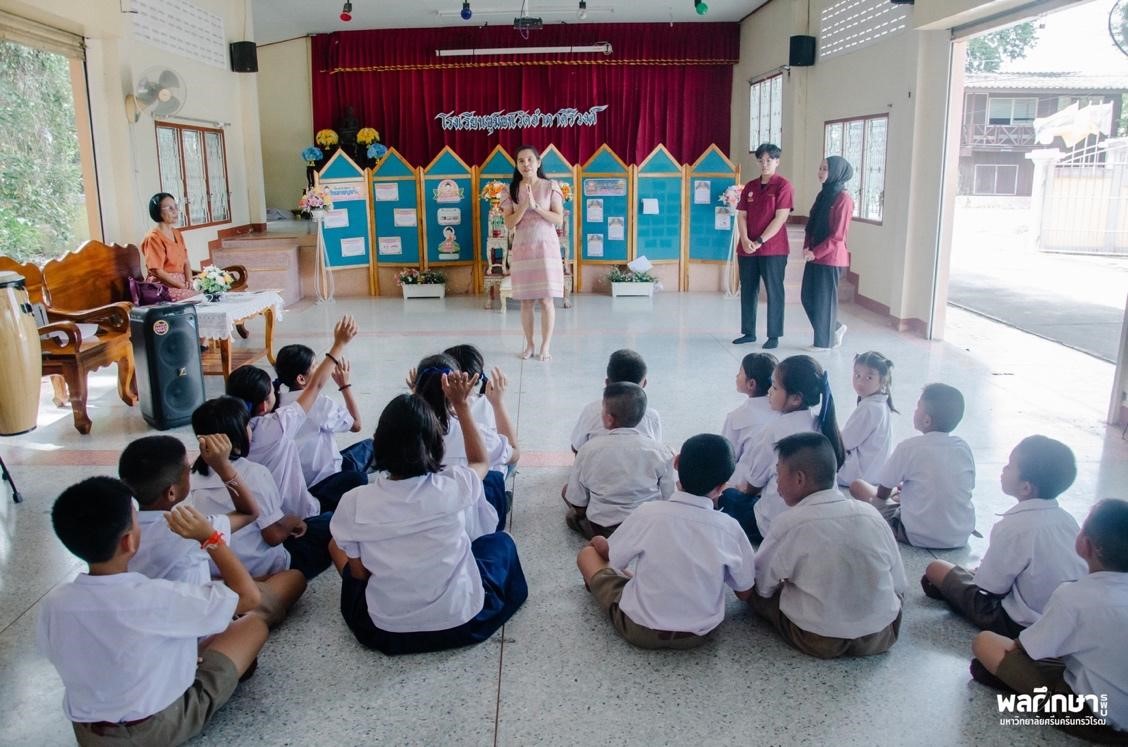
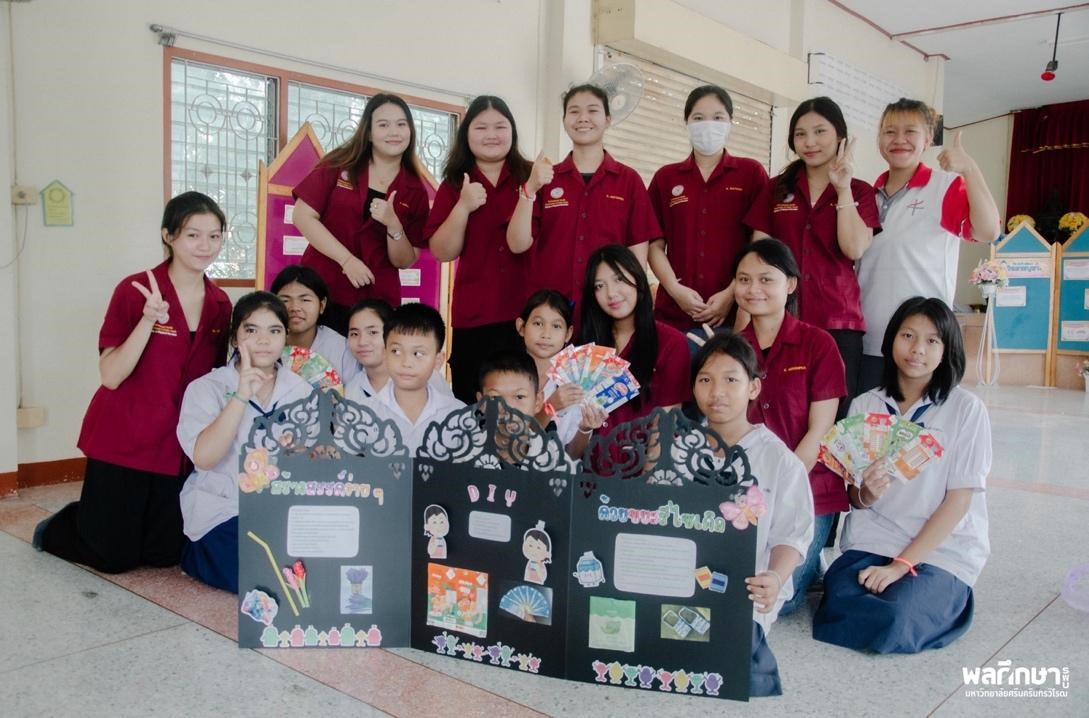
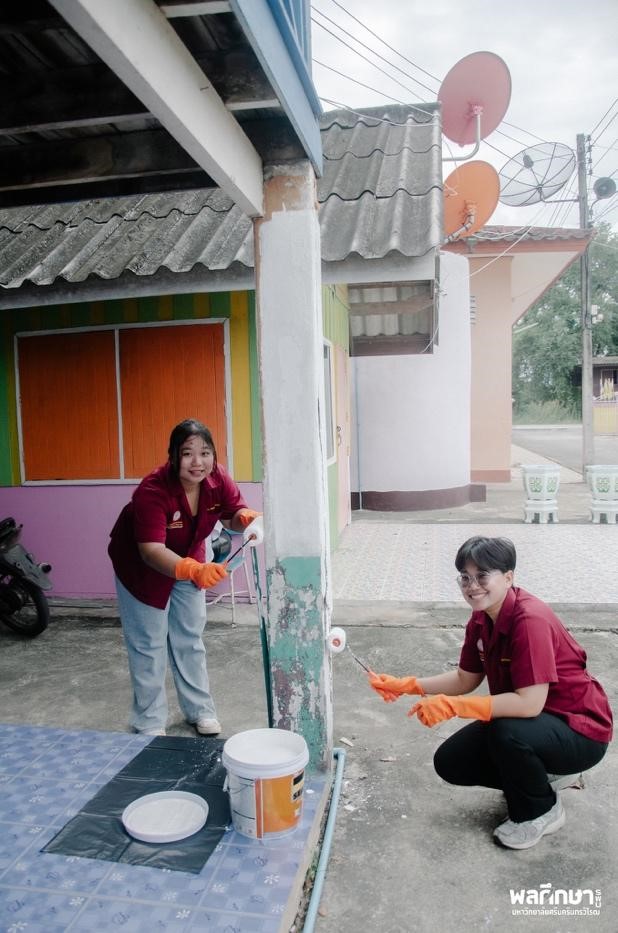
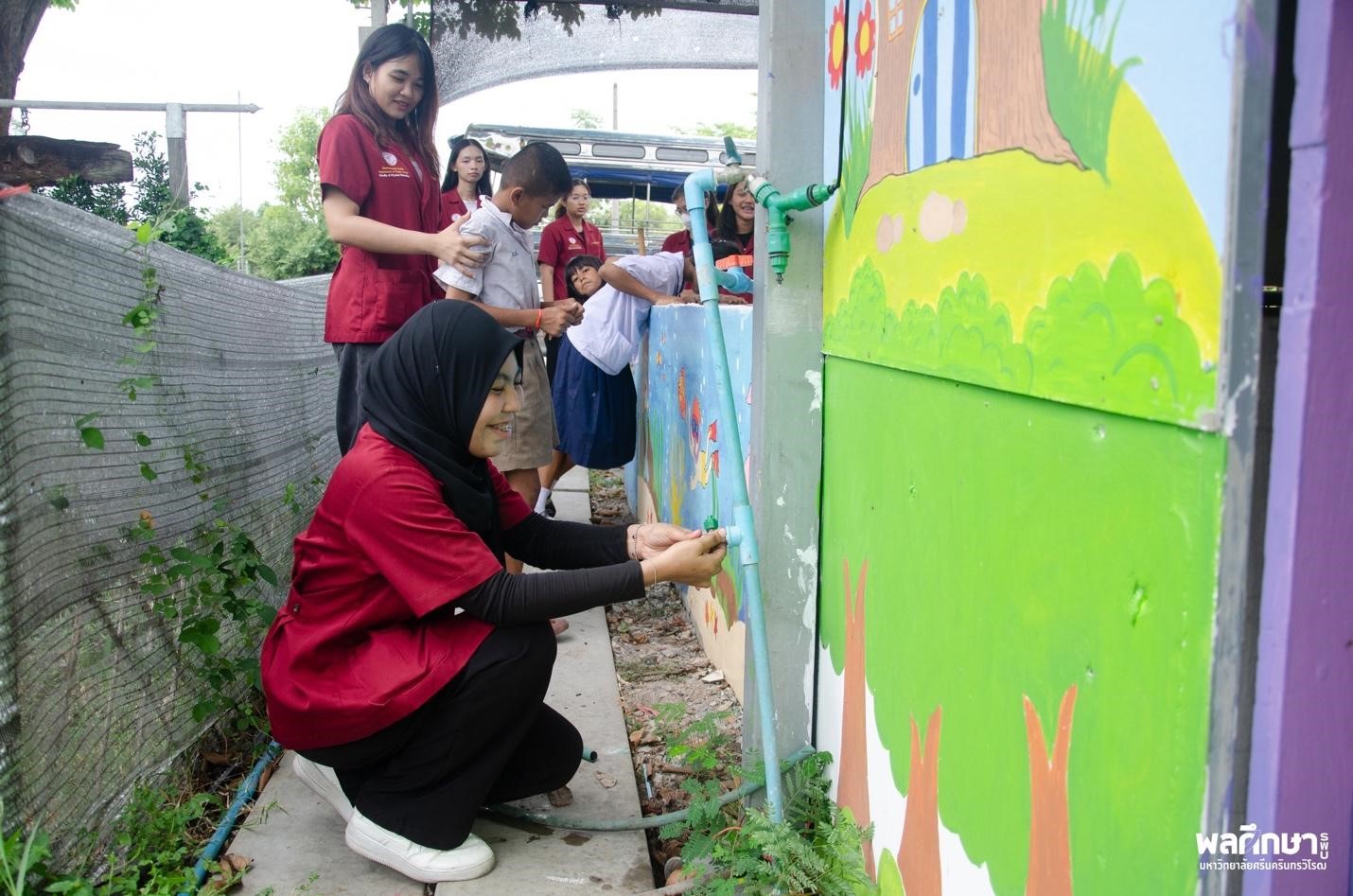
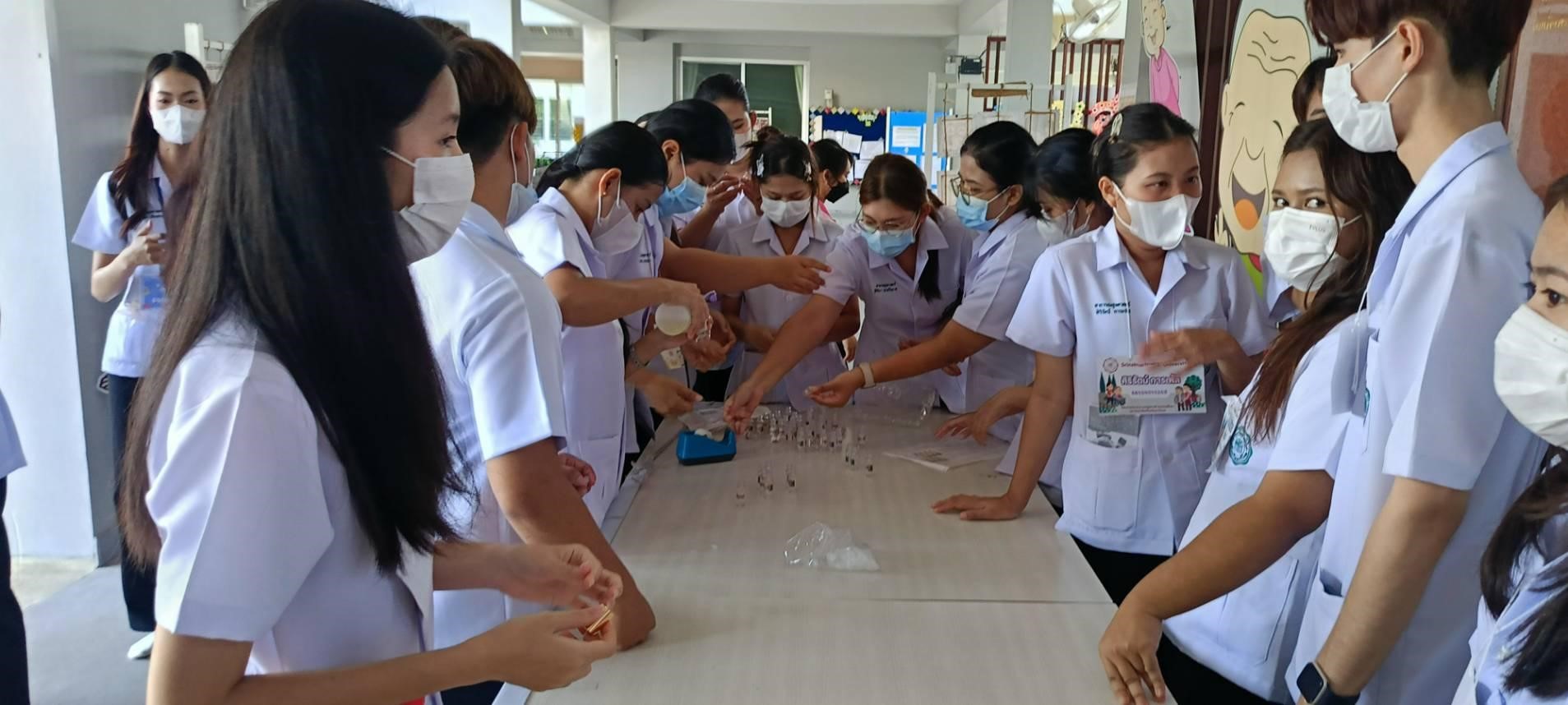
One of the key programmes is the Clean Technology Integration Project at Wat Amphasirowong Community School, which involves student-led activities on environmental health, waste and water management, and hygiene promotion. The project engages local communities, particularly children and families, to enhance their environmental awareness and adopt sustainable healthy practices.
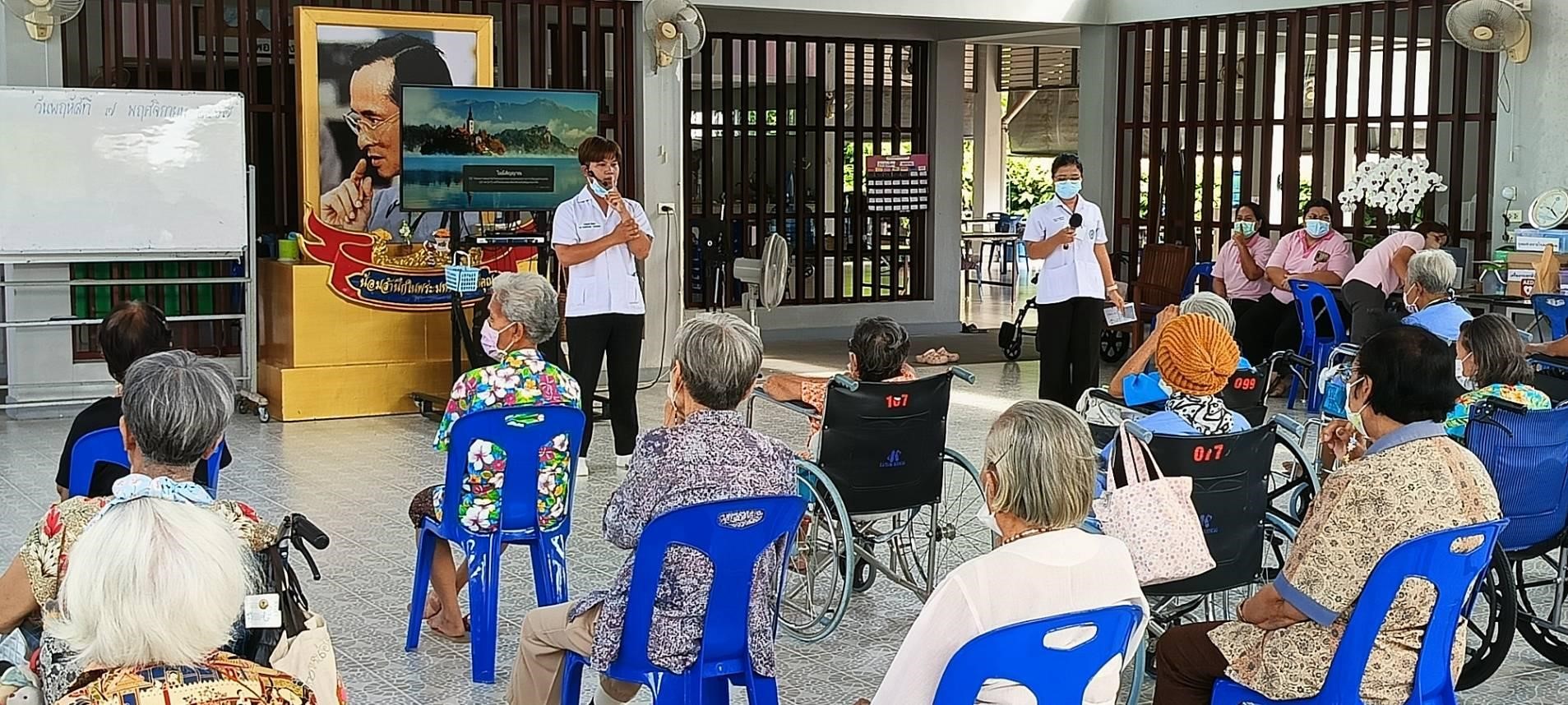
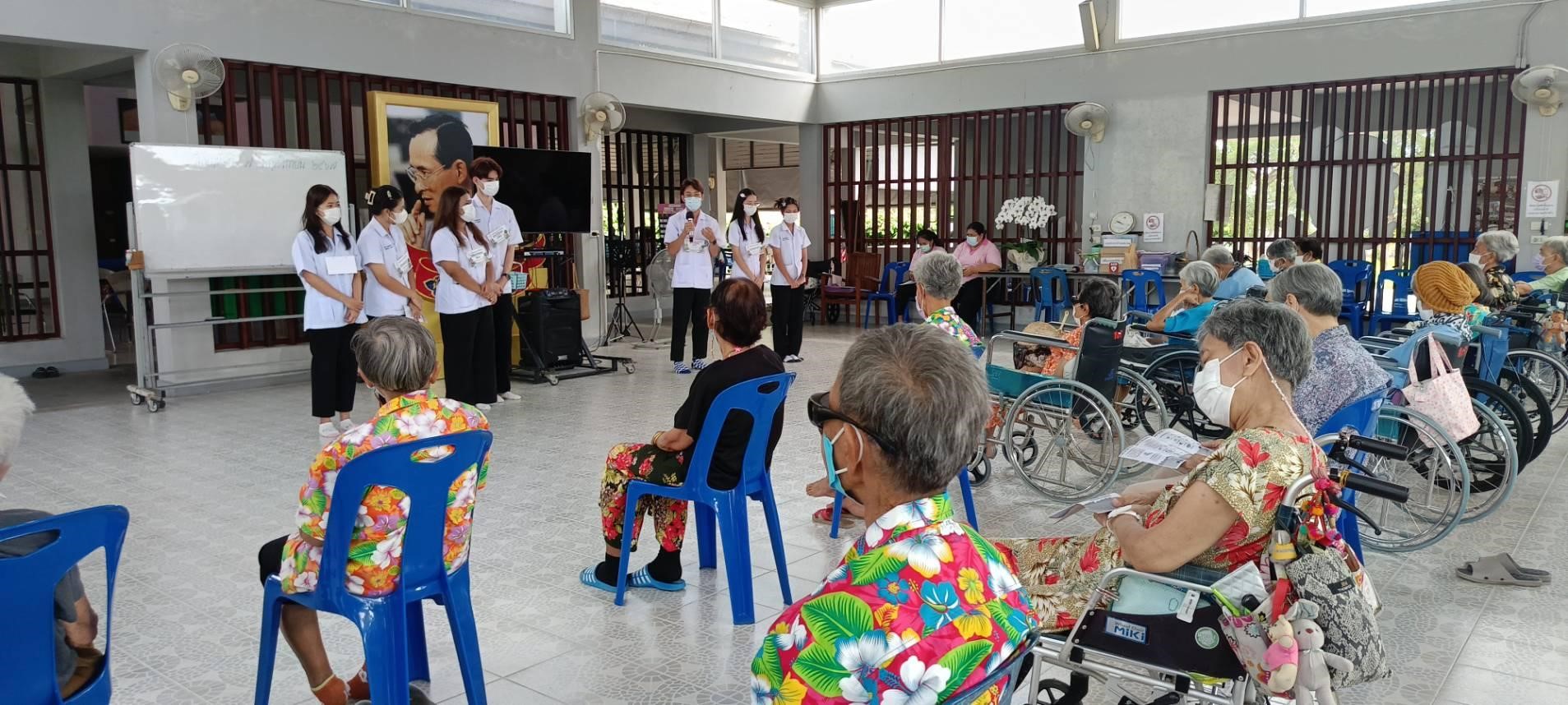
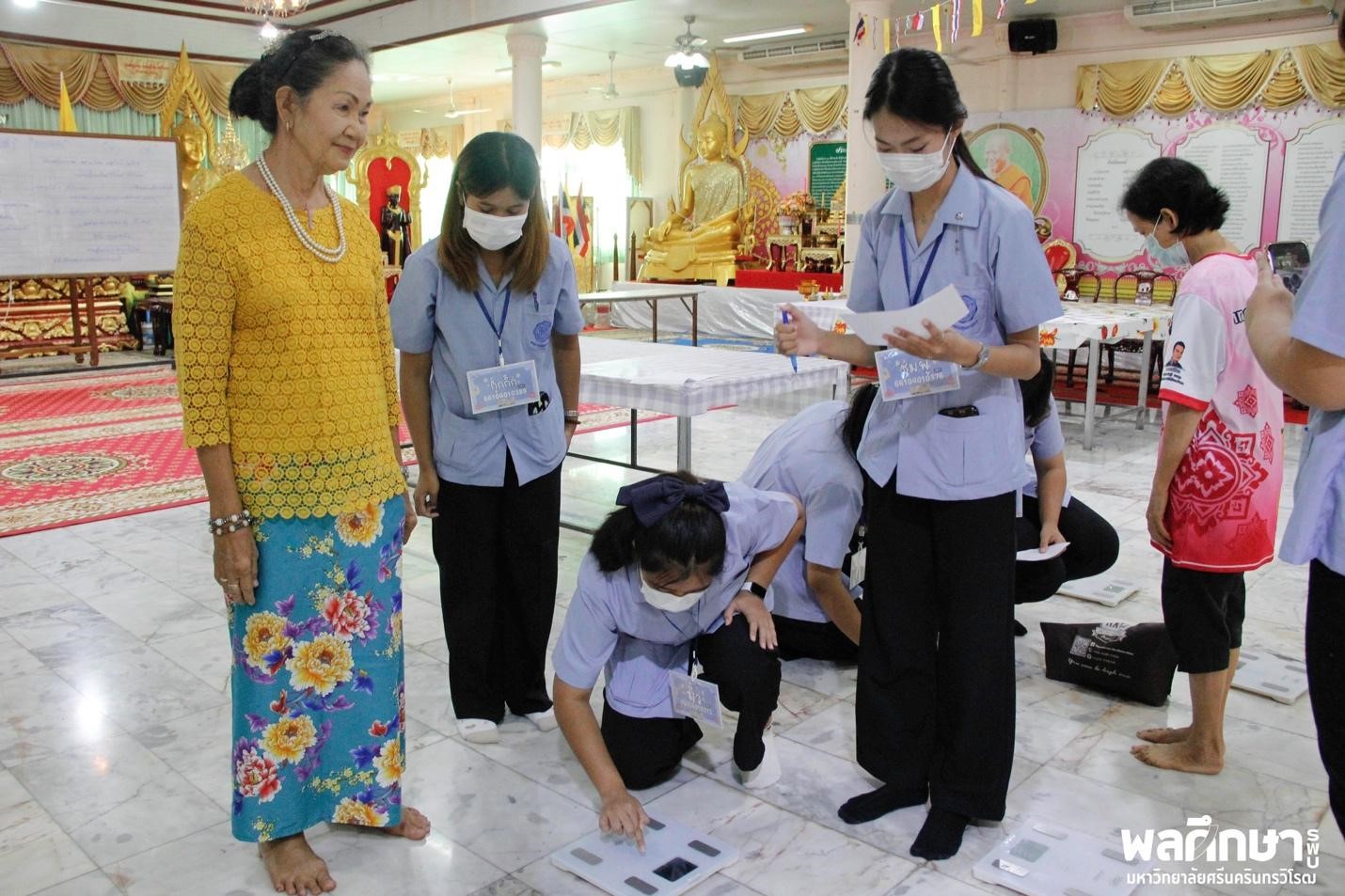
- In parallel, the Elderly Health Care Programmes—conducted at Suthawas Home for Destitute Women and Ban Na Ban Chuen Elderly School—aim to improve health literacy and quality of life among disadvantaged older adults. These initiatives include screening for common chronic conditions (such as diabetes, hypertension, dementia, osteoarthritis, and depression), delivering health education, and promoting age-appropriate physical activity. Through these efforts, the university not only provides essential health support but also strengthens social inclusion and equitable health opportunities for the disadvantaged aging population.
- In addition to local outreach, SWU implements targeted programmes for disadvantaged and refugee/immigrant communities. For example, the Cultural Diversity and Vocational Skills Development Programme for Myanmar migrant youth in Samut Sakhon Province empowers young people through cultural understanding, adaptation skills, and vocational training, helping them build sustainable livelihoods. Similarly, the Volunteer Teaching Camp Project in Chiang Mai Province supports ethnic minority students in remote areas by promoting health literacy, providing educational resources, and fostering life skills that contribute to improved well-being.
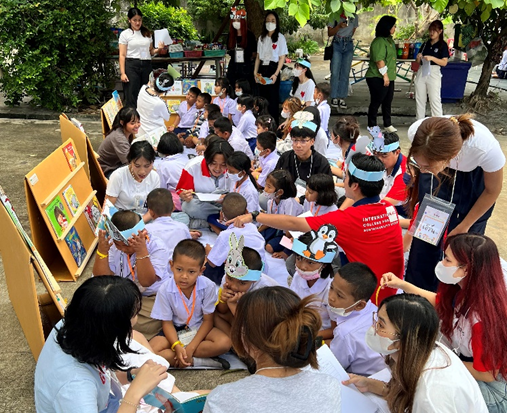
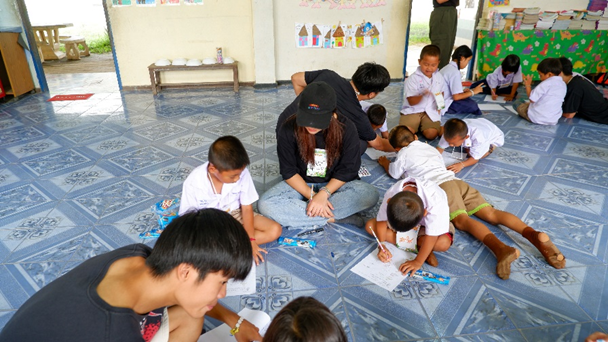
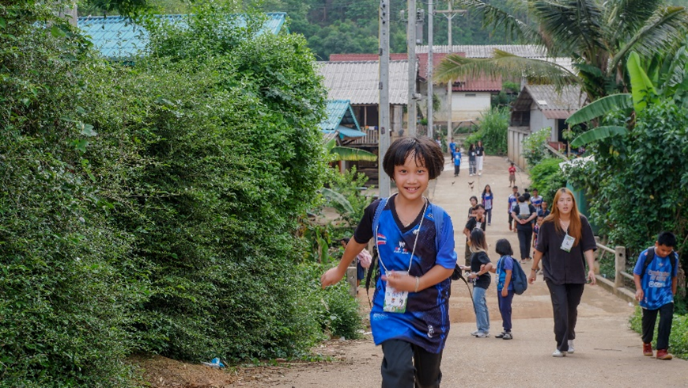
- These health outreach initiatives embody SWU’s philosophy of being a “Learning University for Society.” They serve as a bridge between academic knowledge and community needs, promoting inclusive health development and reinforcing the university’s role as an active partner in advancing public health. By reaching out to local communities, disadvantaged groups, and refugee/immigrant communities, SWU contributes directly to creating a more equitable and healthy society, in alignment with both national public health goals and global sustainability frameworks.
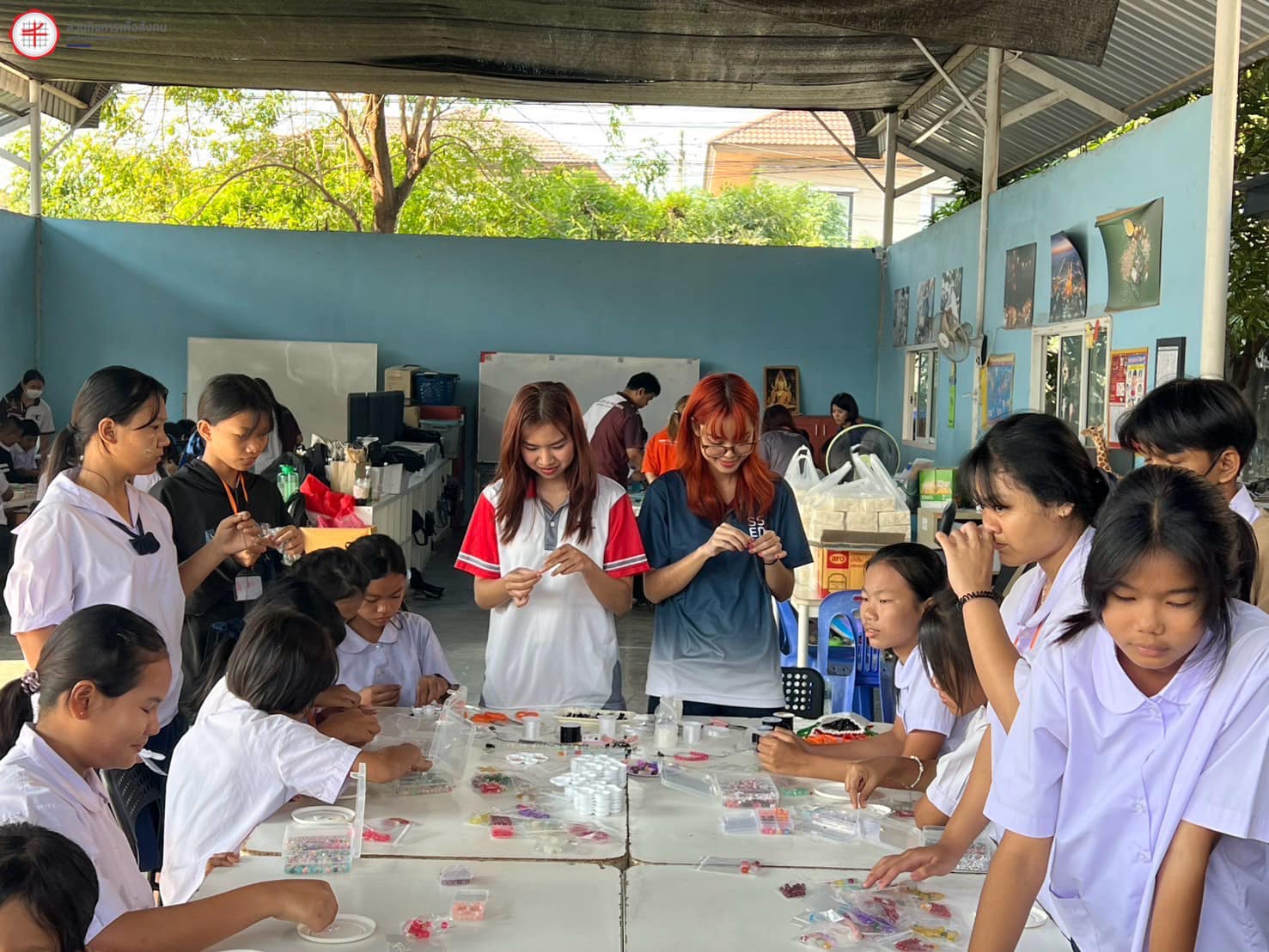
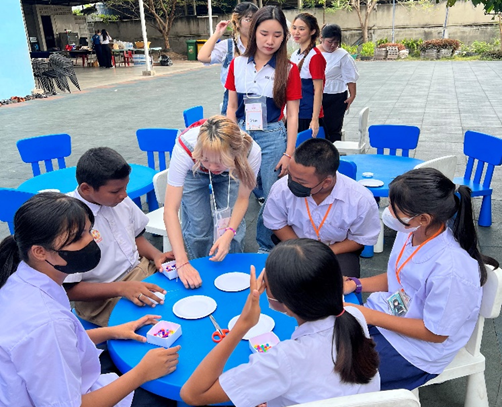
Srinakharinwirot University, through the Asok Model: Integrated Social Engagement for Holistic Well-being Development Project, organized the “D.I.Y Workshop” in collaboration with the Migrant Children Learning Center of the Raks Thai Foundation in Samut Sakhon Province.
The activity aimed to promote creative learning, self-reliance, and resource awareness among migrant children under the concept “Inspiration through Action for Holistic Community Well-being.”
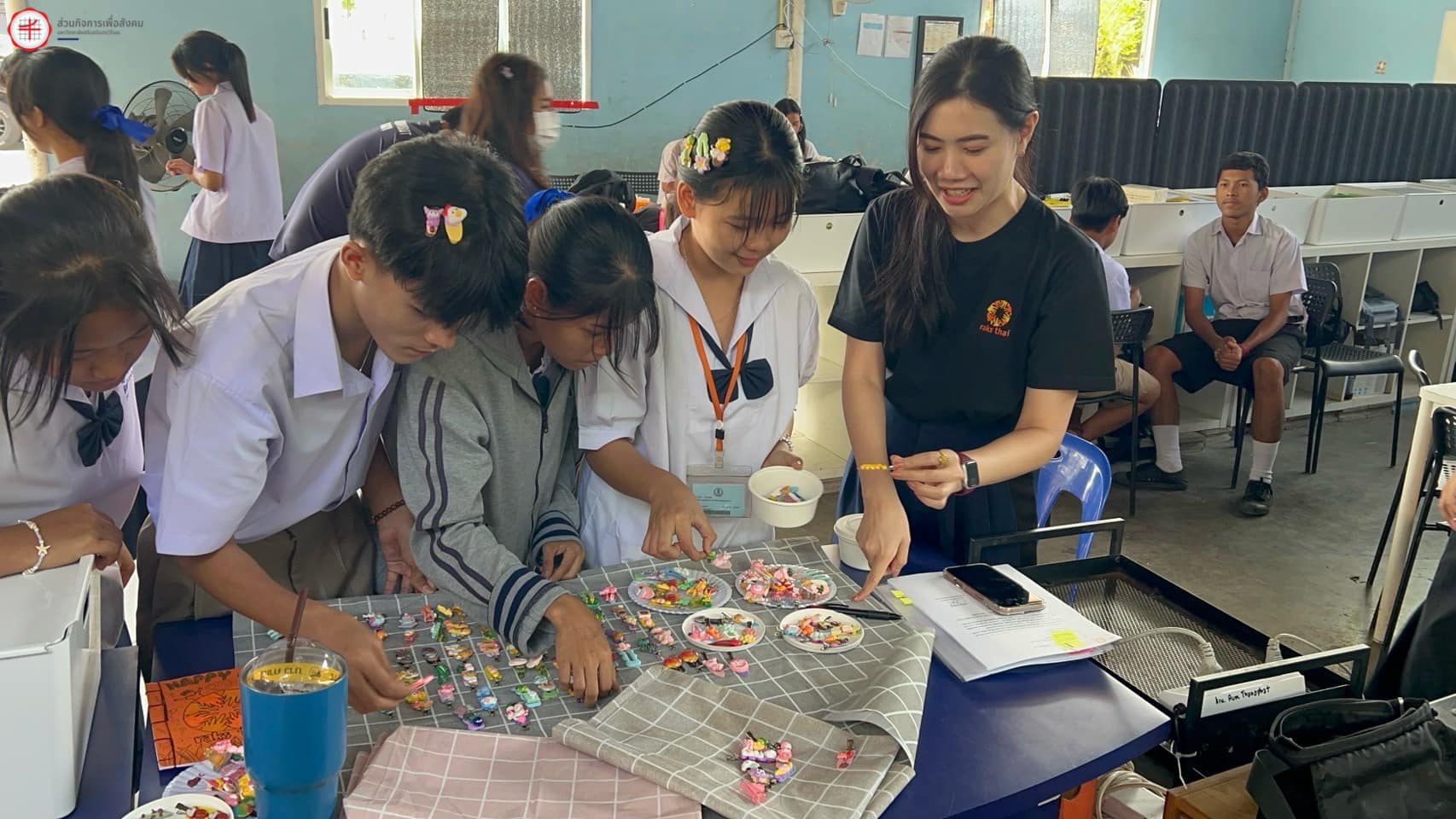
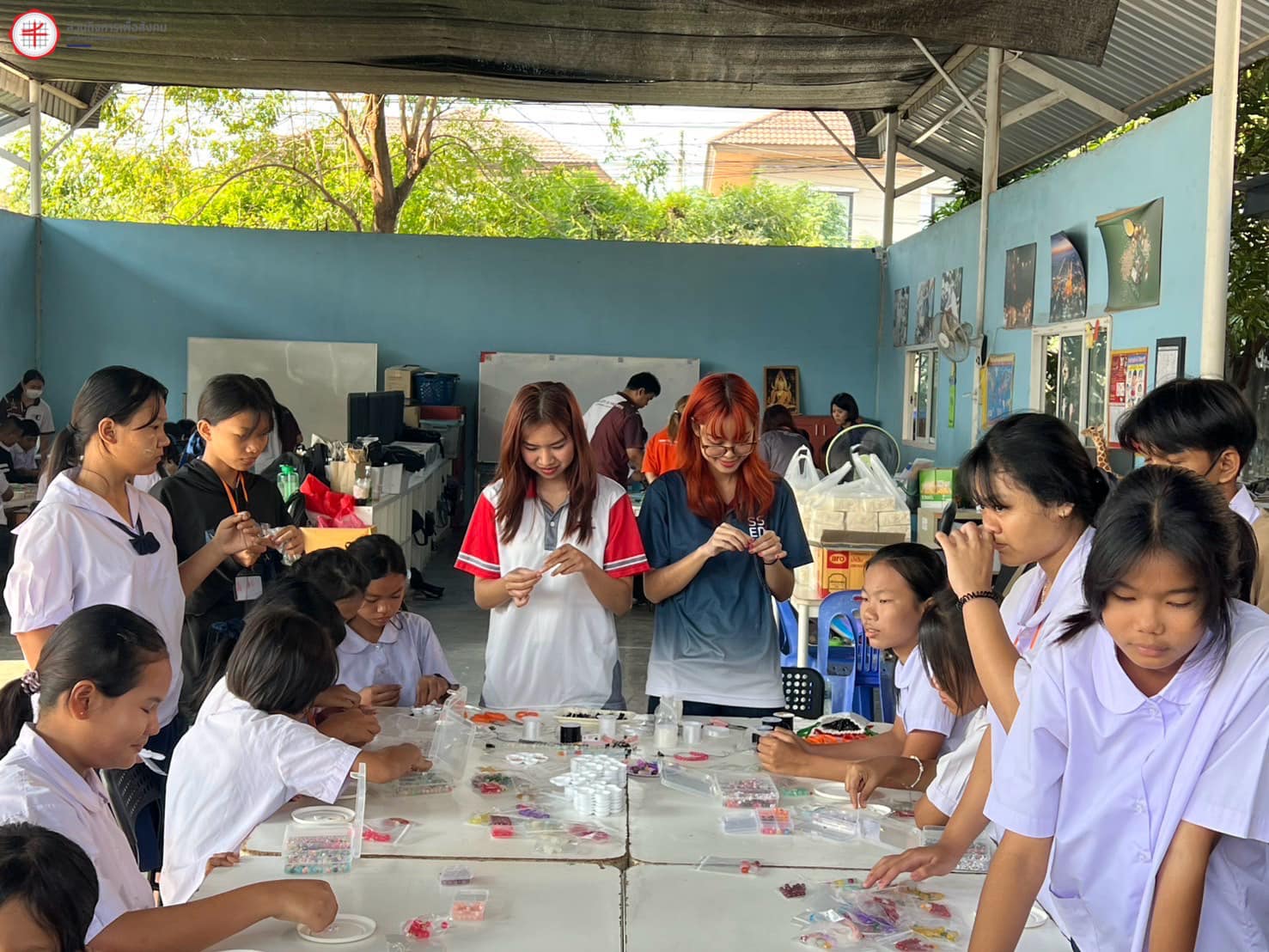
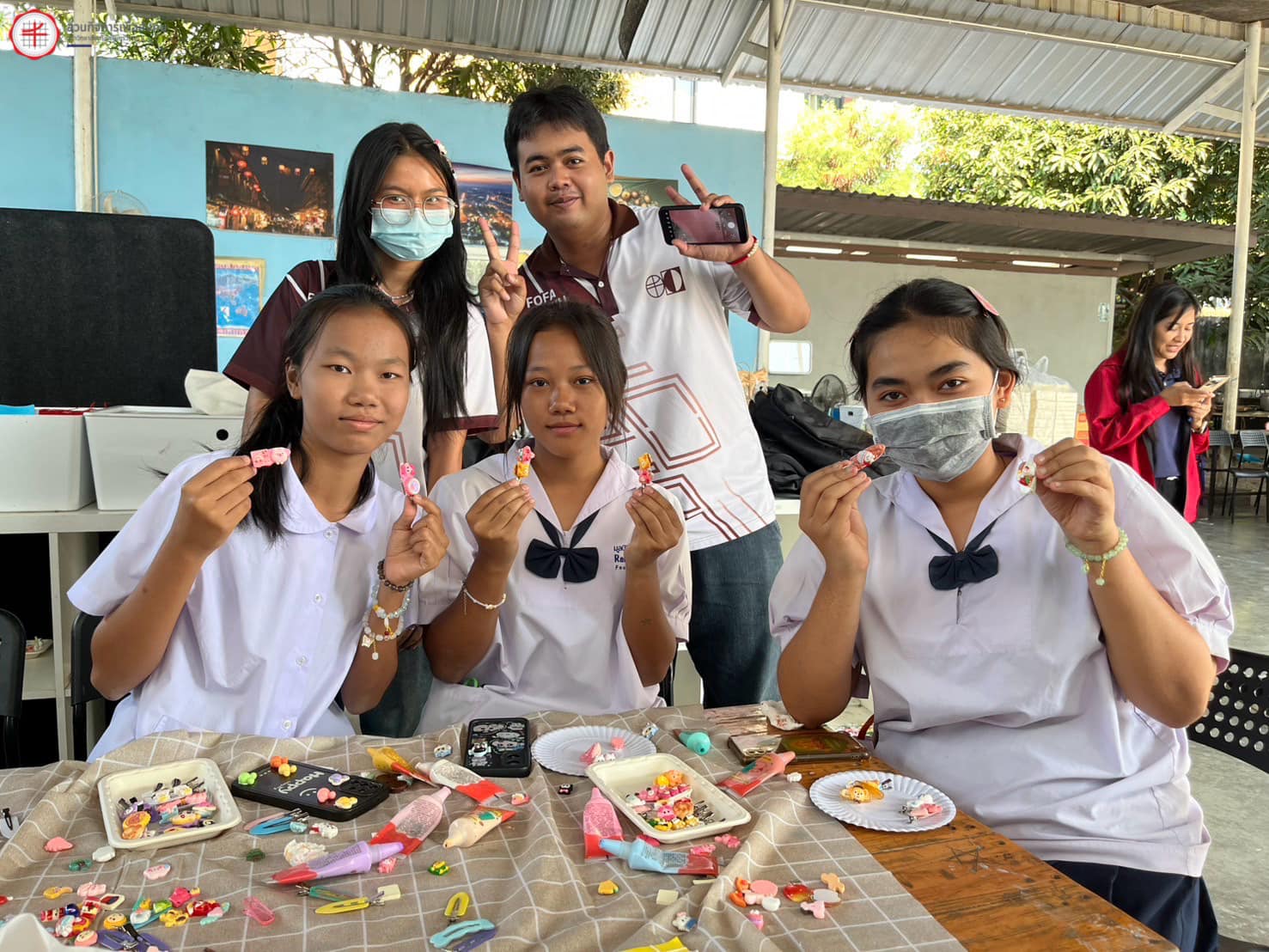
Three learning stations were conducted — bracelet beading, handmade notebooks from reused paper, and hair clip crafting — to enhance creativity, concentration, and environmental consciousness.
Over 60 migrant children joined the workshop with enthusiasm, reflecting joy and imagination through their unique creations.
The event generated positive outcomes in social, educational, and organizational aspects. It provided equitable learning opportunities, fostered creativity and teamwork, and strengthened the university’s role as an Engaged University that applies knowledge for sustainable community development.
“D.I.Y Workshop: Small Actions, Big Meanings for Sustainable Development of Migrant Children”
Srinakharinwirot University, through the Asok Model: Integrated Social Engagement for Holistic Well-being Development Project, organized the “D.I.Y Workshop” in collaboration with the Migrant Children Learning Center of the Raks Thai Foundation in Samut Sakhon Province.
The activity aimed to promote creative learning, self-reliance, and resource awareness among migrant children under the concept “Inspiration through Action for Holistic Community Well-being.”
Three learning stations were conducted — bracelet beading, handmade notebooks from reused paper, and hair clip crafting — to enhance creativity, concentration, and environmental consciousness.
Over 60 migrant children joined the workshop with enthusiasm, reflecting joy and imagination through their unique creations.
The event generated positive outcomes in social, educational, and organizational aspects. It provided equitable learning opportunities, fostered creativity and teamwork, and strengthened the university’s role as an Engaged University that applies knowledge for sustainable community development.